-
Posted By sapnahealthcare
-
-
Comments 0
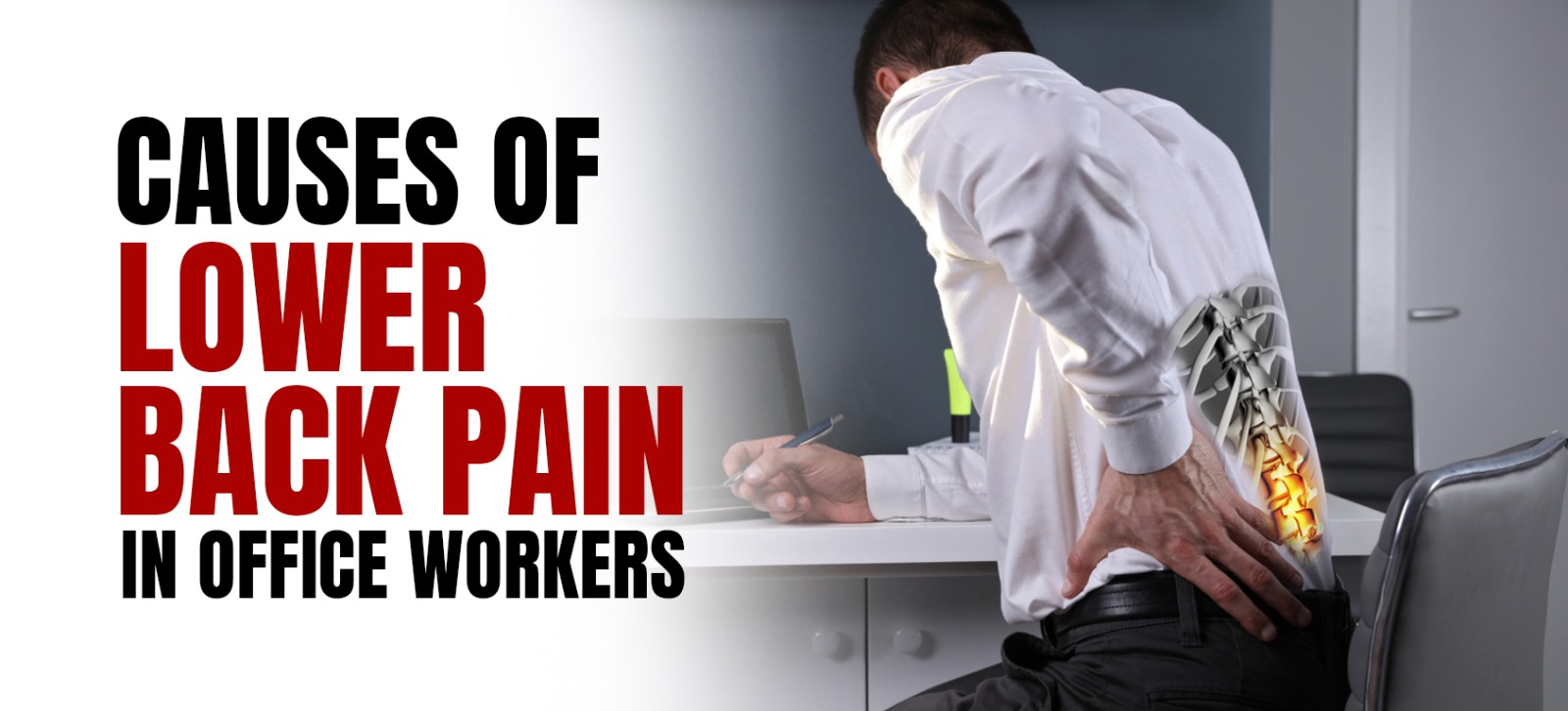
Causes of Lower Back Pain in Office Workers
Lower back pain has become one of the most common health complaints among office workers today. With long hours spent sitting, minimal physical activity, and poor posture habits, many professionals experience discomfort that can affect both productivity and quality of life. Understanding the causes of lower back pain in office workers is the first step toward prevention and effective treatment.
In this blog, we’ll explore the major reasons behind lower back pain, risk factors, and practical solutions to help you stay pain-free even with a desk job.
Why Office Workers Are Prone to Lower Back Pain
Modern work culture often involves prolonged sitting, whether in front of a computer or during meetings. Sitting for extended periods puts extra pressure on the spine, especially the lumbar region. Over time, this leads to muscle stiffness, poor posture, and chronic pain.
Many people search for a lower back pain doctor near me when the discomfort becomes severe, but early awareness can help you prevent long-term issues.
Common Causes of Lower Back Pain in Office Workers
1. Poor Sitting Posture
One of the biggest causes of lower back pain is incorrect posture. Slouching, leaning forward, or sitting without proper lumbar support puts strain on spinal discs and muscles.
- Rounded shoulders
- Forward head posture
- Lack of lower back support
These habits gradually weaken your spine, leading to persistent discomfort.
2. Prolonged Sitting Hours
Sitting for more than 6–8 hours daily reduces blood circulation and causes stiffness in the lower back muscles. It also weakens core muscles that support the spine.
Taking regular breaks is essential to avoid chronic pain conditions.
3. Lack of Physical Activity
A sedentary lifestyle contributes significantly to back pain. Weak muscles fail to support the spine properly, increasing the risk of injury and discomfort.
This is especially important for people who experience lower back pain after exercise as weak muscles can lead to strain when sudden activity is introduced.
4. Improper Workstation Setup
An ergonomically incorrect workstation can worsen your posture and lead to back pain.
Common issues include:
- Chair without lumbar support
- Monitor placed too low or too high
- Keyboard positioned incorrectly
A poorly designed workspace forces your spine into unnatural positions.
5. Stress and Mental Fatigue
Stress can cause muscle tension, especially in the back and neck. Office workers dealing with deadlines and pressure often experience tight muscles, leading to discomfort.
Interestingly, stress can also contribute to issues like pain in lower back of head which is often linked to tension and posture.
6. Incorrect Lifting Techniques
Even in office environments, lifting heavy files or equipment incorrectly can strain the lower back.
Always:
- Bend your knees
- Keep your back straight
- Avoid twisting movements
7. Medical Conditions
Sometimes, lower back pain may indicate underlying health problems such as:
- Herniated disc
- Sciatica
- Kidney issues (especially in cases of lower back pain right side kidney)
- Arthritis
If the pain is persistent or severe, consulting a specialist is important.
8. Gender-Specific Factors
Women may experience back pain due to hormonal changes, pregnancy, or conditions like osteoporosis. Many people search what causes lower back pain in females to understand these unique factors.
Why Office Workers Are Prone to Lower Back Pain
Modern work culture often involves prolonged sitting, whether in front of a computer or during meetings. Sitting for extended periods puts extra pressure on the spine, especially the lumbar region. Over time, this leads to muscle stiffness, poor posture, and chronic pain.
Many people search for a lower back pain doctor near me when the discomfort becomes severe, but early awareness can help you prevent long-term issues.
Common Causes of Lower Back Pain in Office Workers
1. Poor Sitting Posture
One of the biggest causes of lower back pain is incorrect posture. Slouching, leaning forward, or sitting without proper lumbar support puts strain on spinal discs and muscles.
- Rounded shoulders
- Forward head posture
- Lack of lower back support
These habits gradually weaken your spine, leading to persistent discomfort.
2. Prolonged Sitting Hours
Sitting for more than 6–8 hours daily reduces blood circulation and causes stiffness in the lower back muscles. It also weakens core muscles that support the spine.
Taking regular breaks is essential to avoid chronic pain conditions.
3. Lack of Physical Activity
A sedentary lifestyle contributes significantly to back pain. Weak muscles fail to support the spine properly, increasing the risk of injury and discomfort.
This is especially important for people who experience lower back pain after exercise as weak muscles can lead to strain when sudden activity is introduced.
4. Improper Workstation Setup
An ergonomically incorrect workstation can worsen your posture and lead to back pain.
Common issues include:
- Chair without lumbar support
- Monitor placed too low or too high
- Keyboard positioned incorrectly
A poorly designed workspace forces your spine into unnatural positions.
5. Stress and Mental Fatigue
Stress can cause muscle tension, especially in the back and neck. Office workers dealing with deadlines and pressure often experience tight muscles, leading to discomfort.
Interestingly, stress can also contribute to issues like pain in lower back of head which is often linked to tension and posture.
6. Incorrect Lifting Techniques
Even in office environments, lifting heavy files or equipment incorrectly can strain the lower back.
Always:
- Bend your knees
- Keep your back straight
- Avoid twisting movements
7. Medical Conditions
Sometimes, lower back pain may indicate underlying health problems such as:
- Herniated disc
- Sciatica
- Kidney issues (especially in cases of lower back pain right side kidney)
- Arthritis
If the pain is persistent or severe, consulting a specialist is important.
8. Gender-Specific Factors
Women may experience back pain due to hormonal changes, pregnancy, or conditions like osteoporosis. Many people search what causes lower back pain in females to understand these unique factors.
Conclusion
Understanding the causes of lower back pain in office workers is essential in today’s sedentary work culture. From poor posture and prolonged sitting to stress and lack of exercise, multiple factors contribute to this common issue.
By making small lifestyle changes—like improving posture, staying active, and setting up an ergonomic workspace—you can significantly reduce your risk of developing chronic back pain.
If your pain persists or worsens, don’t ignore it. Consult a specialist like Dr. Amin Shah for expert guidance and effective treatment options.
Recent Posts
- Causes of Lower Back Pain in Office Workers
- Advances in Orthopaedics: The Future of Joint Replacement & Technology
- Winter Safety Tips: Protecting Your Joints and Bones During Cold Weather
- How to Choose the Right Orthopedic Surgeon for Shoulder Replacement
- Preventing Common Fractures: Safety Tips for Everyday Activities