Grading the Severity of the Injury
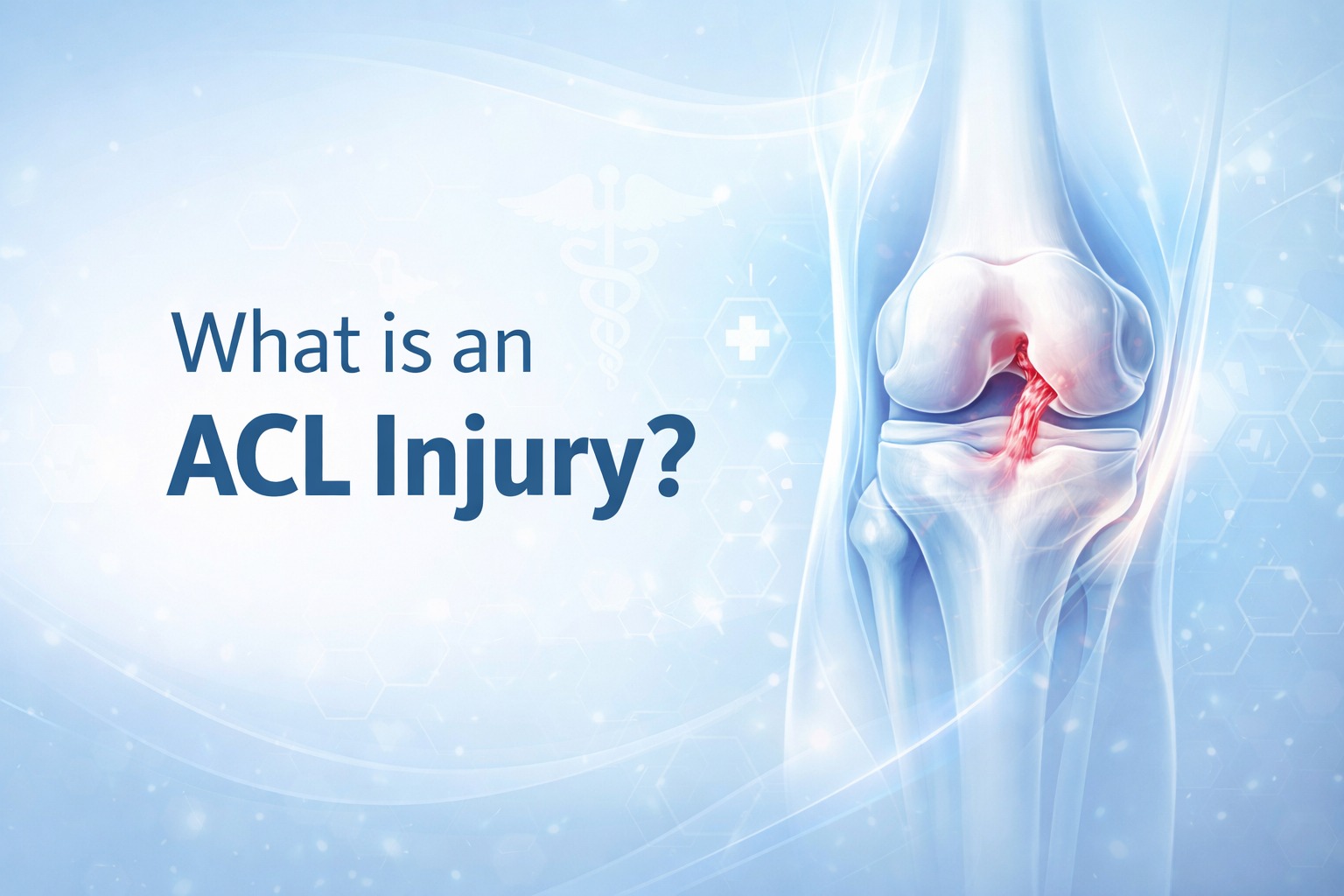
Not all ACL injuries are identical. Doctors categorize them into three structural grades to determine the best treatment path:
Injury Grade | Severity Level | What Happens to the Ligament? |
Grade 1 | Mild | The ligament is mildly stretched but still keeps the knee joint stable. |
Grade 2 | Moderate | The ligament is partially torn, creating noticeable looseness in the joint. |
Grade 3 | Severe | The ligament is completely torn into two pieces, leaving the knee highly unstable. |
Non-Surgical Treatment Options
If your injury is diagnosed as a mild strain or a very small partial ACL tear, non-surgical treatment may be sufficient, especially if you do not participate in high-impact sports. While patients with ACL injuries are usually treated by orthopedic specialists, individuals experiencing symptoms related to spinal conditions may also benefit from consulting a Spine Specialist Surgeon in Ghatkopar for an accurate diagnosis and personalized treatment plan.
Non-operative care for ACL injuries typically includes:
The R.I.C.E. Protocol: Rest, Ice, Compression, and Elevation help reduce pain and swelling during the initial stage of the injury.
Physical Therapy: Targeted exercises strengthen the quadriceps and hamstrings, improving knee stability and supporting a safe recovery.
Knee Bracing: A functional knee brace helps prevent excessive movement and provides additional support during daily activities.
Activity Modification: Avoiding high-impact sports and following your doctor’s rehabilitation plan allows the ligament to heal properly.
If evaluation reveals that the symptoms are related to a spinal problem rather than the knee, advanced spine surgery in Ghatkopar may be considered only after conservative treatments have failed and when recommended by a qualified spine specialist.
ACL Injury Symptoms: When Surgery Is Needed
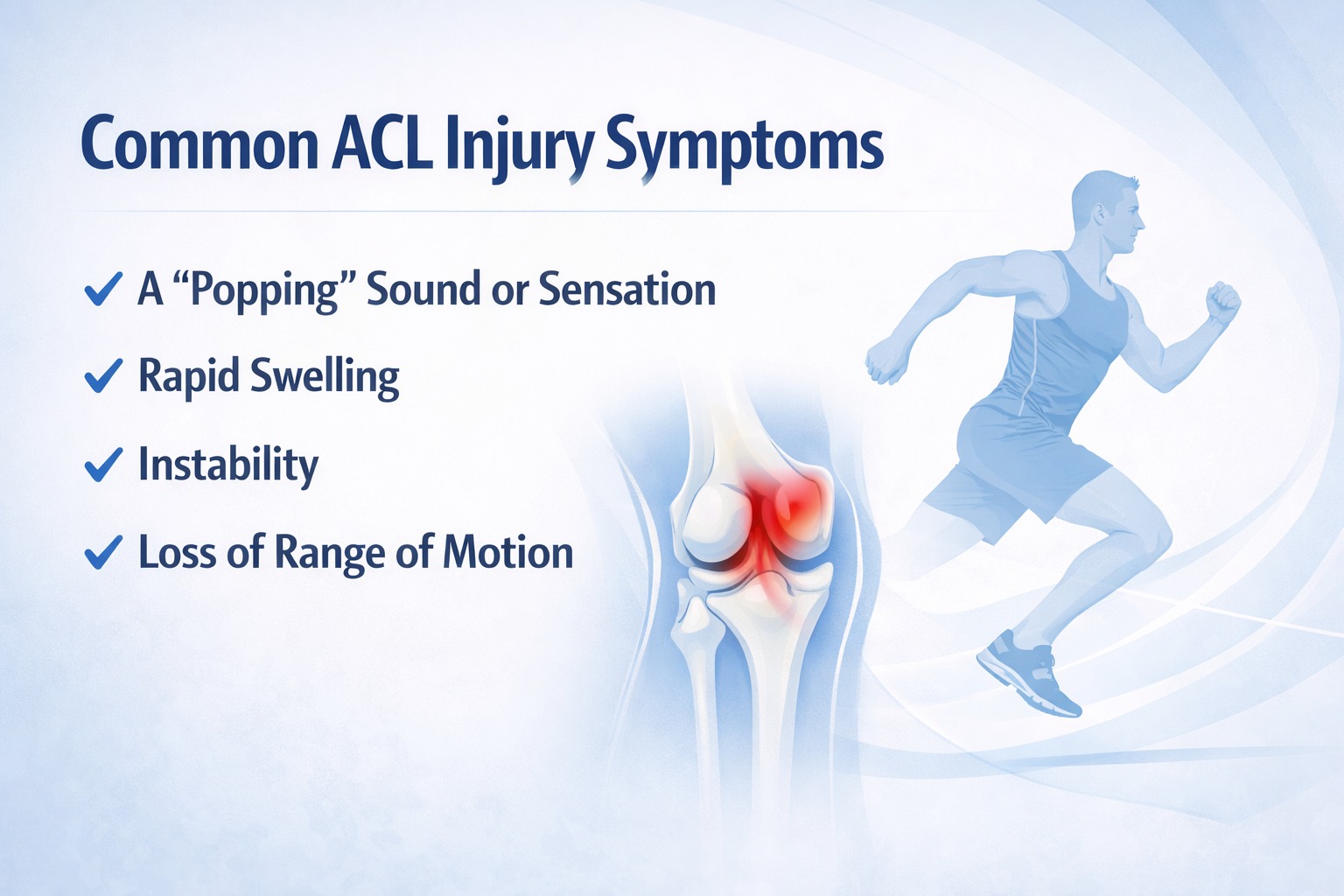
While physical therapy works wonders for mild sprains, many individuals ultimately require structural reconstruction to restore long-term function. Surgery becomes the recommended path if you meet any of the following criteria:
You Have a Complete Tear (Grade 3): A completely severed ACL cannot heal back together on its own.
Persistent Giving-Way: If your knee buckles during ordinary activities like walking or turning a corner, surgery is required to prevent early-onset arthritis.
Combined Injuries: If the trauma also damaged your meniscus or other surrounding ligaments, surgical repair handles all components simultaneously.
Active Lifestyle or Sports Demands: Athletes, dancers, and individuals with physically demanding jobs need a stable ACL to safely perform cutting, pivoting, and jumping motions.
At our advanced Orthopedic Hospital, Dr. Amin Shah utilizes minimally invasive arthroscopic surgery to reconstruct the ligament. This advanced technique uses tiny incisions, resulting in less post-operative discomfort, minimal scarring, and a much smoother recovery pipeline.
Comprehensive Orthopedic Care at Sapna Hospital
At Sapna Hospital, we take a holistic view of your physical well-being. A severe injury in one limb often forces your body to compensate by shifting weight unevenly, which can place immense strain on your pelvic alignment and spinal column.
If structural compensations have triggered chronic back discomfort, our facility is fully equipped to help. We house dedicated treatment programs managed by the Best Spine Surgeon in Ghatkopar providing integrated relief for your entire body under one roof. Whether you need customized knee rehabilitation or are actively looking for a trusted Spine Doctor in Ghatkopar to manage structural nerve pain, our medical team delivers precise, evidence-based care.
Steps to Take Immediately After a Knee Injury
If you have just injured your knee, taking the correct initial actions can prevent further damage to the delicate internal tissues.
1.Stop Moving Immediately:Prevent Further Tearing.
Avoid trying to “walk off” the injury or continuing to play. If the ACL is torn, walking blindly can cause severe secondary tears to your meniscus.
2.Apply the R.I.C.E. Method:Control Inflammation.
Immobilize the leg, apply an ice pack wrapped in a cloth for 20 minutes, and elevate your leg above heart level to limit severe swelling.
3.Avoid Temporary Heat Application:Do Not Aggravate Bleeding.
Do not apply hot water bags or pain-relief gels that generate heat, as heat dilates blood vessels and increases internal swelling within the first 48 hours.
4.Schedule a Professional Clinical Examination:Get an Accurate Diagnosis.
Consult an expert orthopedic professional right away. A physical assessment combined with an MRI scan is the only definitive way to confirm an ACL tear.
A Quick Health Note: Early medical intervention is key. Delaying a clinical evaluation for a unstable knee can lead to chronic joint laxity, increased wear and tear on your cartilage, and a higher risk of developing osteoarthritis later in life.