-
Posted By sapnahealthcare
-
-
Comments 0
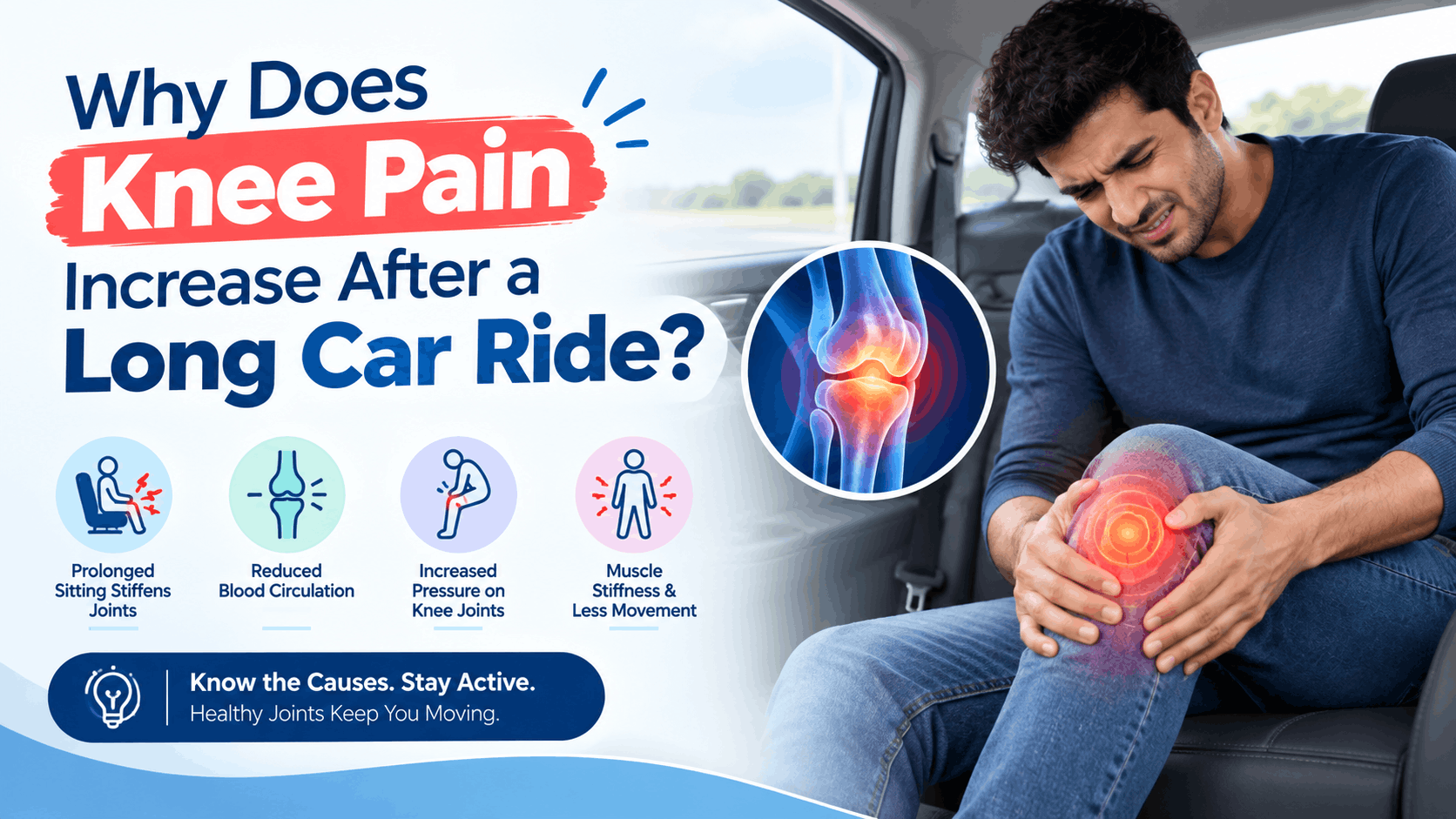
Why Does Knee Pain Increase After a Long Car Ride?
Have you ever stepped out of a car after a long journey and felt pain, stiffness, or discomfort in your knees? You may wonder, Why Does Knee Pain Increase After a Long Car Ride? One of the main reasons is that your knees remain bent in the same position for a long time. Limited movement can make the joint feel stiff, especially if you already have arthritis, an old knee injury, or another joint problem.
For some people, the discomfort improves after walking for a few minutes. For others, knee pain may continue even after the journey. Understanding what causes this pain can help you take simple steps to make long car rides more comfortable.
Why Can a Long Car Ride Cause Knee Pain?
During a long car journey, you may sit with your knees bent for several hours. Your knee joints are designed to move regularly. When you remain in one position for too long, the muscles and tissues around the knee can become stiff.
Limited legroom can make the problem worse. If your seat is too close to the dashboard or the seat position does not support your legs properly, extra pressure may be placed on the knees.
People who already have knee problems may notice these symptoms more quickly than people with healthy joints.
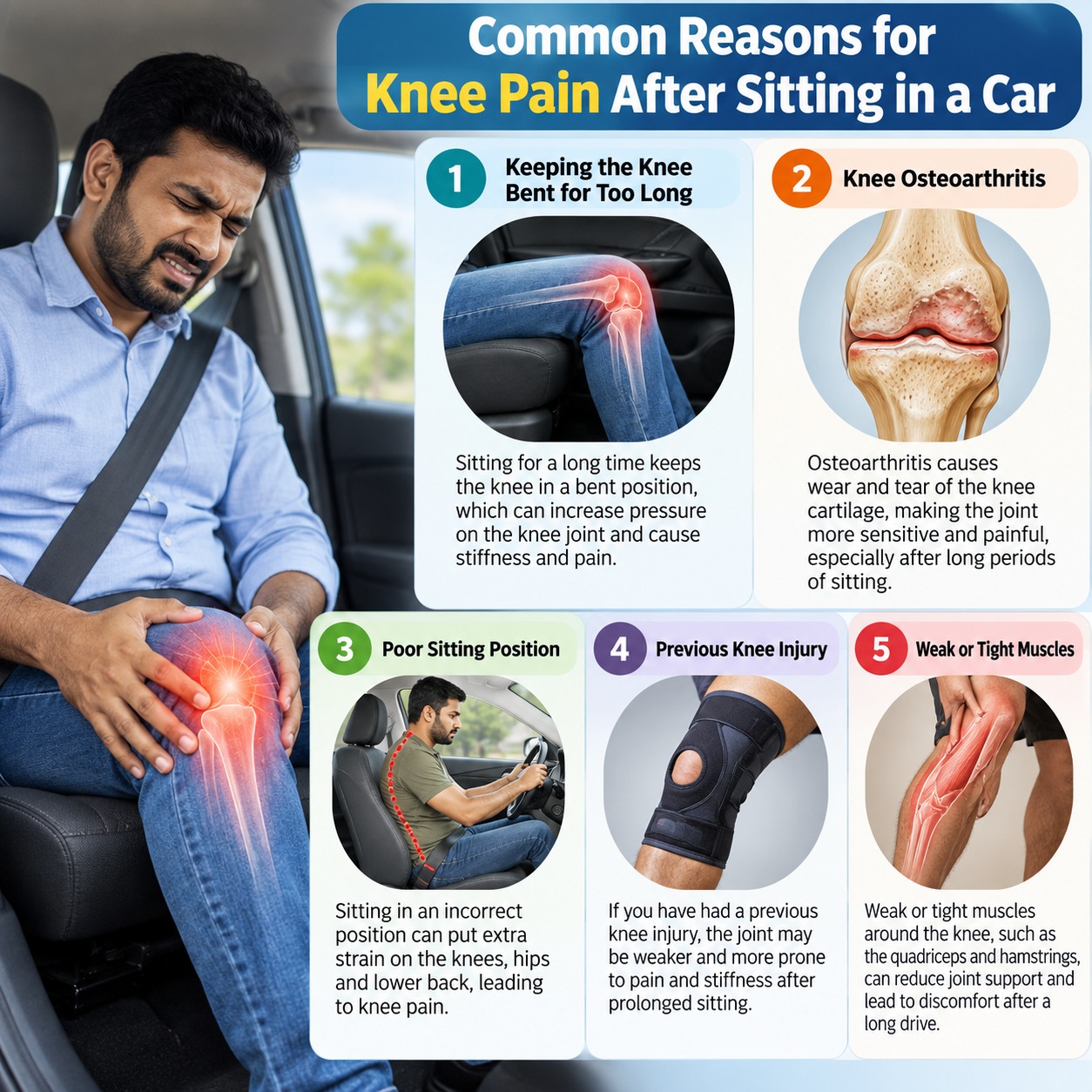
Common Reasons for Knee Pain After Sitting in a Car
1. Keeping the Knee Bent for Too Long
Your knees usually remain bent while you are sitting in a car. Staying in this position for a long period can cause stiffness and discomfort. When you finally straighten your legs, the knee may initially feel painful or difficult to move.
2. Knee Osteoarthritis
Osteoarthritis is a common joint condition in which the cartilage that cushions the ends of bones changes and becomes damaged over time. People with knee osteoarthritis often experience pain and stiffness, and symptoms can be noticeable after periods of inactivity.
If knee arthritis is affecting your daily activities, consulting an Orthopedic Doctor in Ghatkopar can help you understand the cause and available treatment options.
3. Poor Sitting Position
Your posture during the journey can affect your knees. Sitting too low, keeping your legs in an uncomfortable position, or having very little legroom can put unnecessary stress on the joints.
Adjust your seat so that your back is supported and your legs have enough room. Your knees should feel comfortable rather than tightly bent.
4. Previous Knee Injury
An old ligament, cartilage, or other knee injury may make the joint more sensitive to long periods of sitting. Even after an injury has healed, some people may notice stiffness or discomfort during long journeys.
An orthopedic doctor in Ghatkopar West can examine persistent knee symptoms and determine whether an old injury or another condition may be contributing to the problem.
5. Weak or Tight Muscles
The muscles around your knees, hips, and thighs help support normal joint movement. Weakness or tightness in these muscles can contribute to discomfort, especially after sitting for a long time.
Regular exercise and appropriate stretching may help maintain flexibility and strength. However, exercises should be chosen according to your individual condition, particularly when you already have significant knee pain.
Why Does the Knee Feel Stiff When You Get Out of the Car?
After sitting still for a long time, your knee may not move as comfortably as it normally does. The muscles and other tissues around the joint may also become temporarily stiff.
That is why the first few steps after getting out of a car can sometimes feel uncomfortable. Gentle movement often helps the knee loosen up.
If stiffness happens frequently, lasts for a long time, or is accompanied by swelling, it may be worth discussing your symptoms with an Orthopedic Surgeon near me rather than repeatedly ignoring the problem.
How Can You Reduce Knee Pain During Long Car Rides?
A few simple changes can make travelling more comfortable.
Try to adjust your seat before starting your journey. Give your legs enough space and avoid keeping your knees tightly bent. On longer journeys, take safe breaks when possible. Get out of the car, walk for a few minutes, and gently move your legs.
Avoid keeping heavy objects around your feet that restrict leg movement. Comfortable footwear may also make it easier to move your feet and legs naturally.
If you are a passenger, gently straightening and moving your legs when there is enough safe space may help reduce stiffness. Drivers should only make adjustments or take movement breaks when the vehicle is safely stopped.
When Should You See an Orthopedic Doctor?
Occasional mild stiffness after a long journey may improve with movement. However, recurring or worsening knee pain should not always be blamed on sitting.
Consider seeing an orthopedic Doctor near me in Ghatkopar if the pain continues, frequently returns, limits walking or daily activities, or is associated with ongoing swelling or reduced knee movement.
A doctor may perform a physical examination and, when necessary, recommend imaging tests to understand what is causing the symptoms.
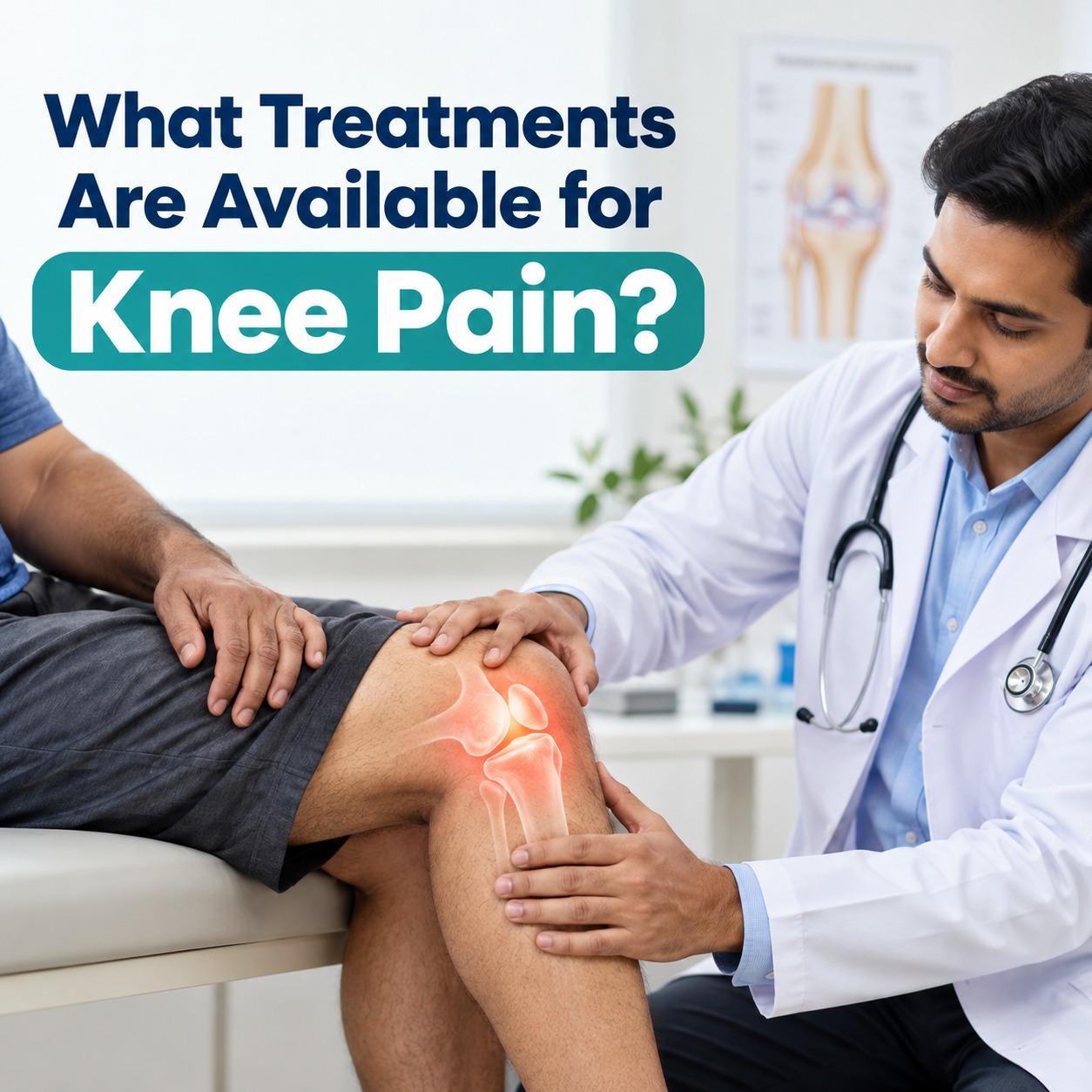
What Treatments Are Available for Knee Pain?
Treatment depends on the cause and severity of your knee problem. Many conditions can initially be managed with activity changes, appropriate exercises, physiotherapy, medicines, or other non-surgical treatments recommended by a doctor.
Some patients with advanced joint damage may need to discuss Orthopedic Surgery in Ghatkopar when conservative treatment no longer provides adequate relief.
For people with advanced knee arthritis, knee replacement may be considered after a complete medical evaluation. Patients can learn more about Knee Replacement Surgery and the treatment approach available at Sapna Healthcare.
Can Knee Pain After Driving Be Prevented?
Not every episode of knee pain can be prevented, but healthy habits may reduce discomfort during travel. Regular physical activity can help maintain joint movement and muscle strength. Maintaining a comfortable body weight may also reduce stress on weight-bearing joints such as the knees.
Before a long journey, plan breaks instead of sitting continuously for several hours. If you already have arthritis or another diagnosed knee problem, ask your doctor or physiotherapist which stretches and exercises are suitable for you.
For persistent symptoms, visiting an Orthopedic Hospital in Ghatkopar can help you get an appropriate assessment rather than relying only on temporary home remedies.
When Can Knee Replacement Be Considered?
Knee replacement is not required simply because your knee hurts after a long car ride. Surgery is generally considered for people with significant knee joint damage when symptoms seriously affect everyday activities and suitable non-surgical treatments have not provided enough relief.
The decision depends on several factors, including the cause of the knee problem, its severity, overall health, and how much the symptoms interfere with daily life.
If you are looking for a Top Knee Replacement Surgeon you can review the clinic location and details before planning a consultation with Dr. Amin Shah in Ghatkopar.
Consult Dr. Amin Shah for Knee Pain in Ghatkopar
Repeated knee pain after driving, sitting, climbing stairs, walking, or other daily activities may indicate an underlying knee condition. Dr. Amin Shah provides orthopedic evaluation and treatment for patients with knee and joint problems in Ghatkopar.
If you are searching for the Best Orthopedic Surgeon in Ghatkopar focus on getting a proper diagnosis and understanding all suitable treatment options for your individual condition. Early assessment can help identify the cause of persistent symptoms and guide the next steps in treatment.
Conclusion
So, Why Does Knee Pain Increase After a Long Car Ride? The problem is often related to keeping the knee bent and relatively inactive for an extended period. Poor sitting position, limited legroom, arthritis, previous injuries, and muscle tightness can also contribute to discomfort.
Adjusting your seat, taking safe movement breaks, staying physically active, and avoiding prolonged periods in one position may help. If knee pain keeps returning or starts affecting your daily life, an orthopedic evaluation can help identify the underlying cause and determine the most appropriate treatment.